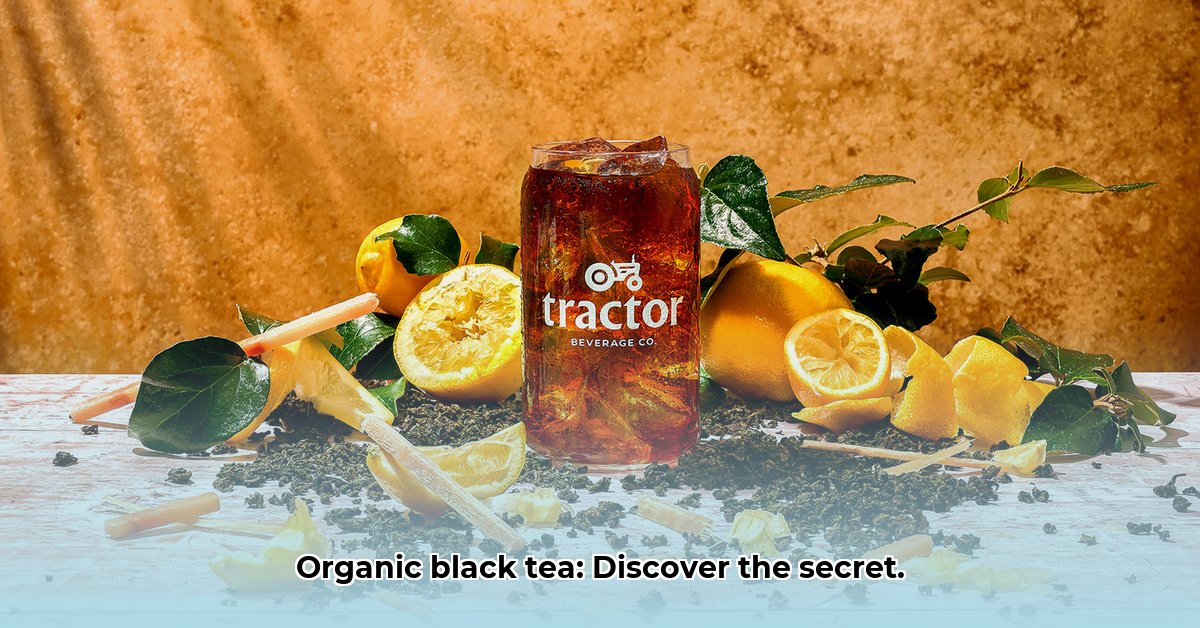
Tractor Organic Black Tea: A Sip of Sustainability
Tractor Organic Black Tea isn't just another beverage; it's a story woven from Southern hospitality, sustainable farming, and a rich, flavorful brew. This isn't your grandmother's iced tea—it's a conscious choice for a healthier you and a healthier planet. This article delves into the story behind this unique brand, exploring its sustainable practices, business model, and future prospects.
The Drink Tractor Story: From Farm to Mug
Drink Tractor's journey began with a simple yet powerful vision: to craft exceptionally delicious, high-quality organic tea while respecting both the environment and the people who cultivate it. This commitment manifests in every stage, from planting to packaging, reflecting their unwavering dedication to organic farming practices—sunshine, fresh air, and thriving plants, free from harmful pesticides and artificial fertilizers. It's more than a business; it's a philosophy rooted in Southern hospitality and a profound connection to the land. Transparency is key; they aim for customers to understand the origin of their tea, the farmers who grew it, and its journey to their mug. Isn't it fascinating how a simple cup of tea can tell such a compelling story? How many tea brands offer this level of transparency?
Sustainable Sips: The Environment and Your Cup
Drink Tractor's dedication to sustainability isn't mere marketing; it's integral to their operations. Their organic certification isn't just a label; it's a testament to their meticulous farming methods. This translates to a richer, more nuanced tea flavor and a healthier planet. They avoid chemicals, actively nurturing the soil and supporting local farmers. Imagine a thriving ecosystem where tea plants flourish alongside beneficial insects and microorganisms—that's the environment Drink Tractor cultivates. This commitment, however, presents challenges. Fluctuating ingredient prices and occasional supply chain disruptions are realities. Yet, Drink Tractor proactively addresses these, fostering strong, long-term farmer relationships to ensure a reliable supply and fair compensation. They continuously seek innovative ways to improve their processes while minimizing their environmental footprint. Data from their Organic Impact Tracker (if available) would further illuminate their dedication to environmental stewardship. What other companies are equally committed to transparent sustainability reporting?
The Business Behind the Brew: Partnerships and Growth
Drink Tractor initially prioritized partnerships with restaurants and cafes—a strategic move that broadened their reach and bolstered brand recognition. This food service focus provides a solid foundation for growth, offering reliable revenue and valuable market exposure. However, this reliance on partnerships necessitates navigating the complexities of wholesale agreements and managing various business relationships. What are the long-term implications of this strategy for Drink Tractor?
Looking ahead, Drink Tractor is poised to expand its distribution channels. Direct-to-consumer sales present a transformative opportunity, fostering stronger customer connections and greater business control. This direct link allows them to effectively share their story, emphasizing their commitment to sustainability and quality. This direct-to-consumer approach promises heightened brand loyalty, profitability, and reduced reliance on intermediaries. How will this shift impact their brand messaging and customer engagement strategies?
The Future of Tractor Tea: A Sustainable Outlook
The future looks promising, even within the competitive tea industry. Consumer trends are dynamic, and new competitors constantly emerge. However, Drink Tractor's commitment to organic practices, transparency, and superior tea quality sets them apart. This is a formula for success, requiring continuous adaptation and effort. How will Drink Tractor maintain its competitive edge in a rapidly evolving market?
By reinforcing farmer relationships, diversifying distribution channels, and maintaining unwavering dedication to sustainability, Drink Tractor can likely sustain its growth trajectory. They're also likely exploring new product lines and innovative customer engagement strategies. Expansion into related organic beverages or products is a strong possibility. Continued research into sustainable farming and evolving consumer preferences will be crucial for navigating future challenges and opportunities. What innovations could disrupt the organic beverage market and how might Drink Tractor respond?
Navigating the Risks: A Proactive Approach
Drink Tractor acknowledges potential setbacks. They understand the inherent risks within their business model and develop proactive mitigation strategies.
| Risk Factor | Likelihood | Impact | Mitigation Strategy |
|---|---|---|---|
| Fluctuating Organic Ingredient Costs | Moderate | High | Diversify sourcing; negotiate long-term contracts with farmers; explore alternative ingredients where feasible. |
| Intense Competition | High | Moderate | Focus on unique brand identity; high-quality product; superior customer service; targeted marketing. |
| Changing Consumer Preferences | Moderate | Moderate | Market research; adapt product offerings; embrace new trends responsibly. |
| Supply Chain Disruptions | Moderate | High | Build strong supplier relationships; develop backup plans; diversify sourcing locations. |
The future of Drink Tractor remains unwritten. However, their dedication to quality, sustainability, and transparency suggests a bright, flavorful future, filled with delicious sips and a commitment to a healthier planet. The journey from farm to cup is more than a process; it’s a story of mindful farming and ethical business practices—a story they invite you to be a part of.
How to Scale Organic Beverage Production While Maintaining Sustainability
Key Takeaways:
- Tractor Beverage Co. significantly reduces synthetic pesticide use, benefiting the environment.
- Their partnerships demonstrate market acceptance and scalability potential.
- Data transparency and long-term scalability remain challenges, crucial for continued success.
- Strategic partnerships, R&D investment, and supply chain optimization are vital for growth.